.svg)


.svg)

share


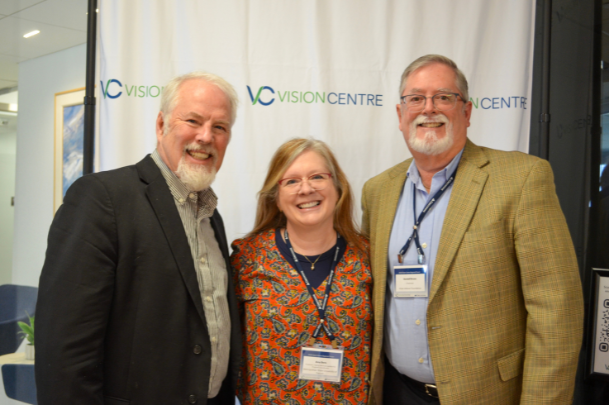
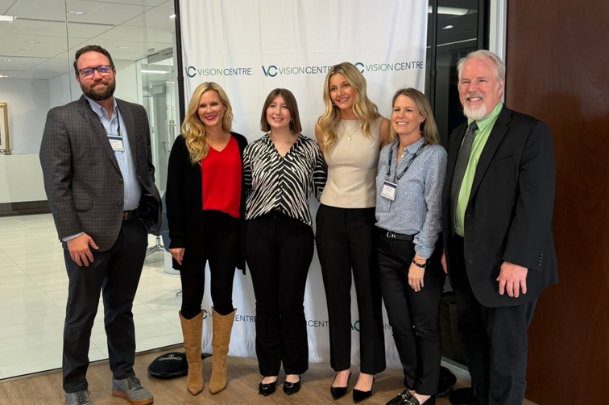
Last month, Greystone proudly hosted the Vision Centre South Regional Forum at its Irving, Texas headquarters—convening senior living providers, university faculty, and industry strategists around one of the sector's most pressing challenges: building a leadership pipeline that can meet the scale and complexity of the rapidly growing senior living market. The path forward requires deliberate partnership between academia and industry, sustained investment in emerging professionals, and a willingness to rethink how the field tells its own story.
Leadership Development as a Competitive Imperative
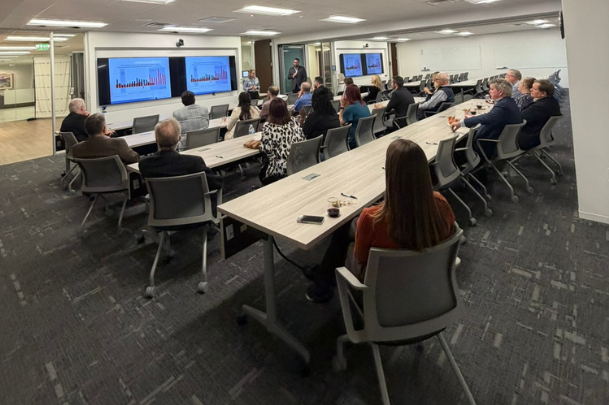
The forum opened with a 2026 update from Vision Centre leadership on continued progress in connecting universities and senior living providers—with emphasis on developing leaders equipped to navigate not just the academic fundamentals, but the operational, financial, and cultural realities shaping today's communities.
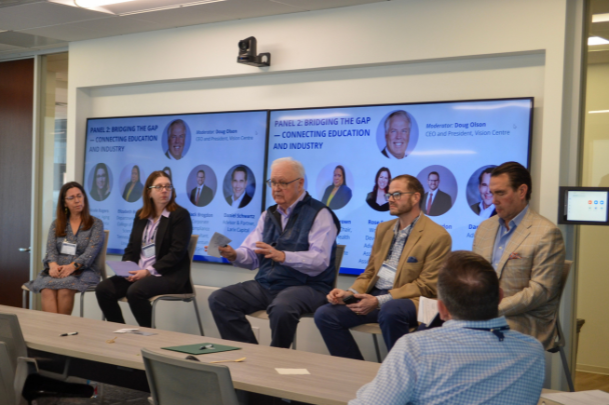
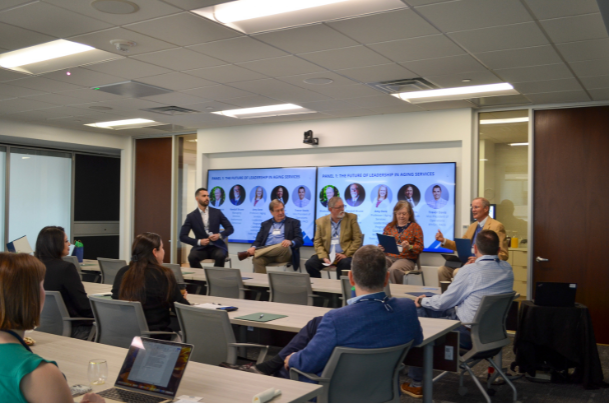
Moderated by Keith Knapp, Professor of Health Management & Policy at the University of Kentucky, the morning panel examined how leadership expectations are evolving and what organizations must address to remain competitive in attracting and retaining high-caliber talent.
The discussion surfaced several themes with direct implications for how providers attract, develop, and retain the leaders they will need:
- Culture as infrastructure. Emerging leaders expect transparency, defined growth pathways, and mission alignment. Kendall Brune, Managing Director at Anthemcare Tennessee, emphasized the importance of early and intentional investment, noting, “If you want students to be significant to you, you have to be significant to them—and build the leadership pipeline.”
- Generational leadership dynamics. Trevor Davis, Vice President of Operations KY/OH at PACS, observed that leadership expectations are shifting fundamentally across generations — from top-down, compliance-driven structures toward collaborative, mission-oriented cultures. Organizations that fail to adapt their leadership models risk losing emerging talent to industries that already have.
- Technology as a force multiplier. AI and digital tools are increasingly shaping recruiting, engagement, and operational performance. When tied to measurable outcomes, technology becomes a strategic differentiator rather than a tactical add-on.
- Access and diversification. Academic leaders highlighted how financial barriers to internships and field placements limit entry into the profession. Structured stipend programs and credential pathways offer scalable solutions that expand access while strengthening the long-term talent pool.
Collaborative Solutions for the Leadership Pipeline
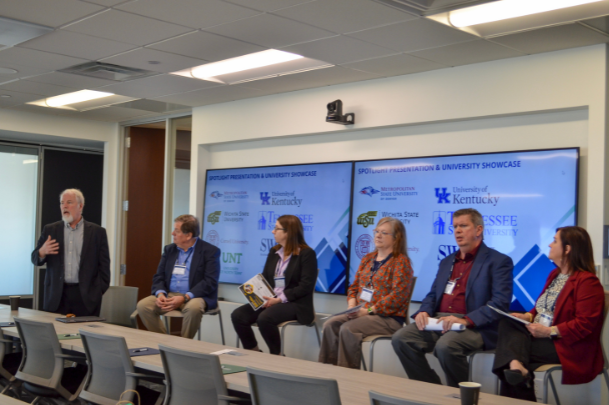
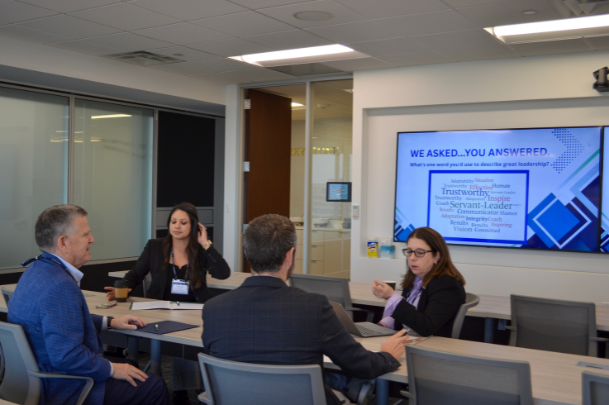
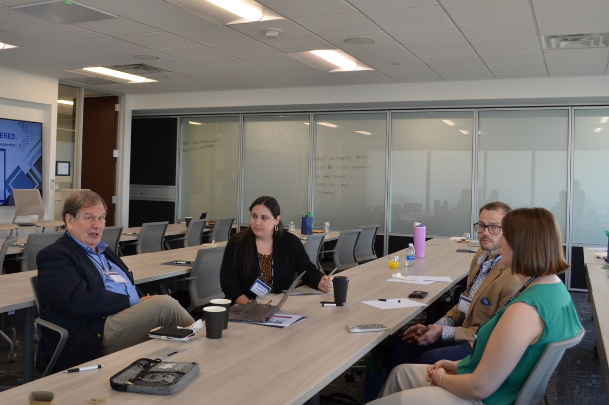
The University Showcase and structured breakout sessions extended the competitive imperative — highlighting programs already generating workforce traction through provider-informed curriculum design, credential alignment, and embedded field experiences, and translating those priorities into practical frameworks through intergenerational, cross-sector collaboration among providers, faculty, and emerging professionals.
Designed for collaboration rather than observation, the sessions produced solution-oriented strategies to advance the pipeline:
- Establishing visible career ladders that articulate advancement and leadership progression.
- Creating stipend-supported internship models to reduce financial barriers to entry.
- Formalizing mentorship networks that connect students and early-career professionals with seasoned operators.
- Investing in digital storytelling to reach younger audiences where they are — repositioning aging services as a dynamic, mission-driven career path for the next generation of professionals.
- Designating dedicated liaison roles to strengthen and sustain coordination between academic institutions and senior living providers.

Bridging the Gap Between Education and Industry
A competitive imperative and collaborative solutions are only as strong as the partnership that sustains them. The afternoon session examined that foundation directly — reinforcing that universities and providers are not parallel tracks, but interdependent drivers of stability and sustainable growth.
Nicole Rogers of Wichita State University emphasized that early exposure and recognized credentials significantly increase the likelihood that students remain in aging services long term. Structured, intergenerational learning environments strengthen recruitment while beginning to dismantle persistent age-related misconceptions that limit interest in the field.
Rose Saenz of the Texas Assisted Living Association broadened the discussion to include the policy environment, noting that licensure and certification standards play a critical role in shaping workforce development. Sustainable pipeline strategy requires thoughtful coordination among providers, academic institutions, associations, and regulatory stakeholders to ensure that professional pathways remain rigorous, accessible, and aligned with operational realities.
The takeaway was clear: the gap between education and industry must be intentionally bridged through sustained partnership. Without that alignment, the leadership pipeline cannot scale to meet the sector’s growing demands.
The Path Forward
The workforce and leadership challenges facing senior living are not isolated operational concerns. They are structural realities that will shape organizational performance, mission fulfillment, and sector resilience for years ahead.
The Vision Centre South Regional Forum made clear that solutions are within reach. Universities are innovating. Providers are seeking deeper engagement. Associations are evaluating policy implications. Progress will depend on sustained collaboration and disciplined investment in leadership development at every stage of the pipeline.
Convening the conversation is a starting point. Bridging the gap — and sustaining that bridge — requires alignment across education, operations, governance, and policy.
As a national advisory firm serving mission-driven providers, Greystone is committed to advancing the strategic partnerships that strengthen the leadership pipeline and, in turn, the long-term performance of the communities it supports. Leadership development is not adjacent to operational excellence — it underpins it.
.svg)

.svg)

-min.png)
.svg)